

You Didn't Hear
This From Us.
Pete's secret calendar. Pop-ups, plant bingo, swaps & drops — members only, always first.
🌿 Pete's Weekly Drop
Fresh Vibes, Every Saturday … but Pete's not saying what he loaded in the truck for nonmembers until Sunday so you better hurry
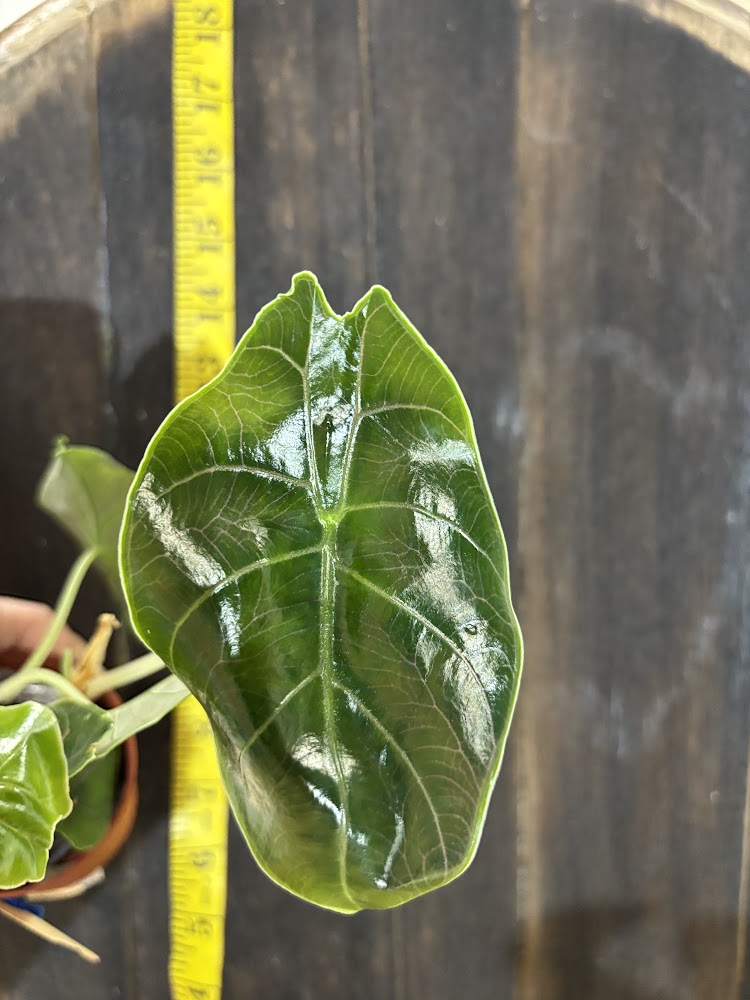
Alocasia azlanii (Red Mambo)
A rare and highly collectible jewel Alocasia prized for its dark, metallic-purple leaves with striking pink or red veins. Botanists only formally described this species in 2016 after it was found in Brunei on the island of Borneo. Slow to grow and propagate, keeping market supply lower than common houseplants. Care: Bright indirect light, high humidity, and a chunky well-draining mix. Water when the top inch of soil is dry.
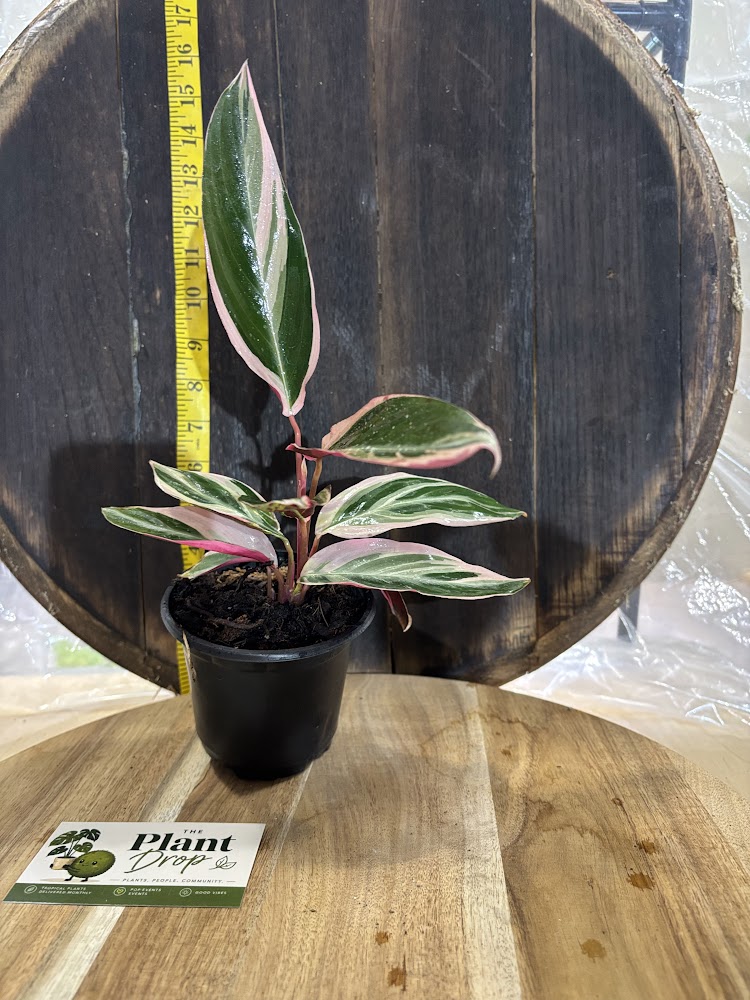
Tristar Stromanthe
A stunning tropical houseplant known for its vibrant green, cream, and pink variegated leaves with magenta undersides. Quick Care: • Light: Bright, indirect sunlight. Direct sun burns the leaves; too little light fades the pink. • Water: Keep soil evenly moist. Allow top inch to dry before watering. Use filtered or distilled water. • Humidity: High humidity is essential — mist regularly or use a pebble tray. • Temperature: 65°F–80°F, away from cold drafts or AC vents. • Soil: Light, well-draining, peat-based mix. • Pets: Safe and non-toxic for cats and dogs.
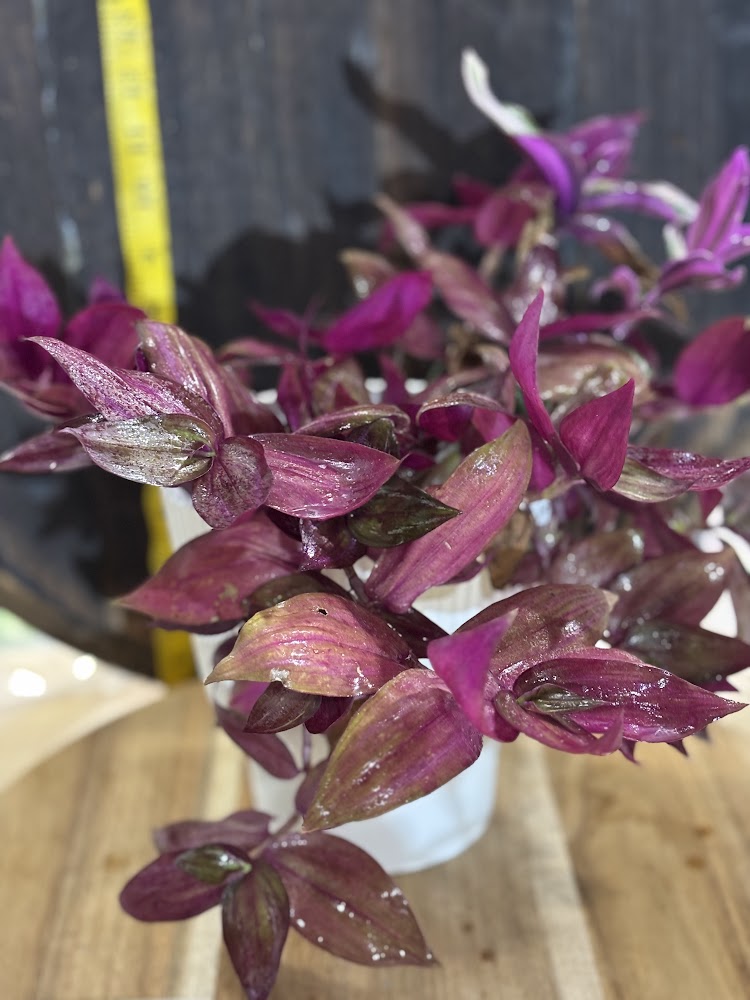
Tradescantia (Wandering Dude)
A fast-growing trailing plant with vibrant purple, green, and silver striped foliage — easy to grow and propagate. Care Basics: • Light: Bright, indirect sunlight to keep leaf colors vibrant and prevent stems from stretching. • Water: Water thoroughly only when the top inch of soil feels dry. • Soil: Standard, well-draining potting mix blended with perlite. • Toxicity: Toxic to cats, dogs, and other pets; sap can cause mild skin irritation for sensitive people.
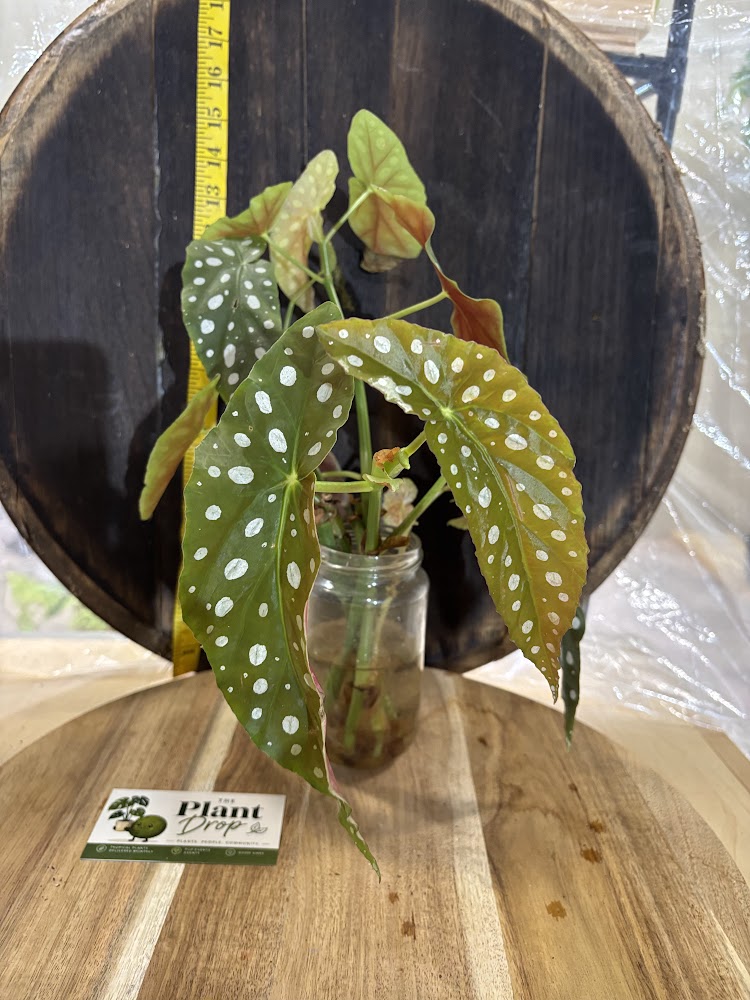
Polka Dot Begonia
A striking begonia with dark green leaves speckled with silver polka dots and deep red undersides — a collector favorite. Quick Care: • Light: Bright, indirect light. Avoid harsh direct sun, which burns the leaves. • Water: Water when the top inch of soil feels dry — keep lightly moist but never soggy to prevent root rot. • Humidity: Thrives in high humidity (above 50%); regular misting helps prevent brown leaf tips. • Temperature: Keep above 60°F and protect from cold drafts.
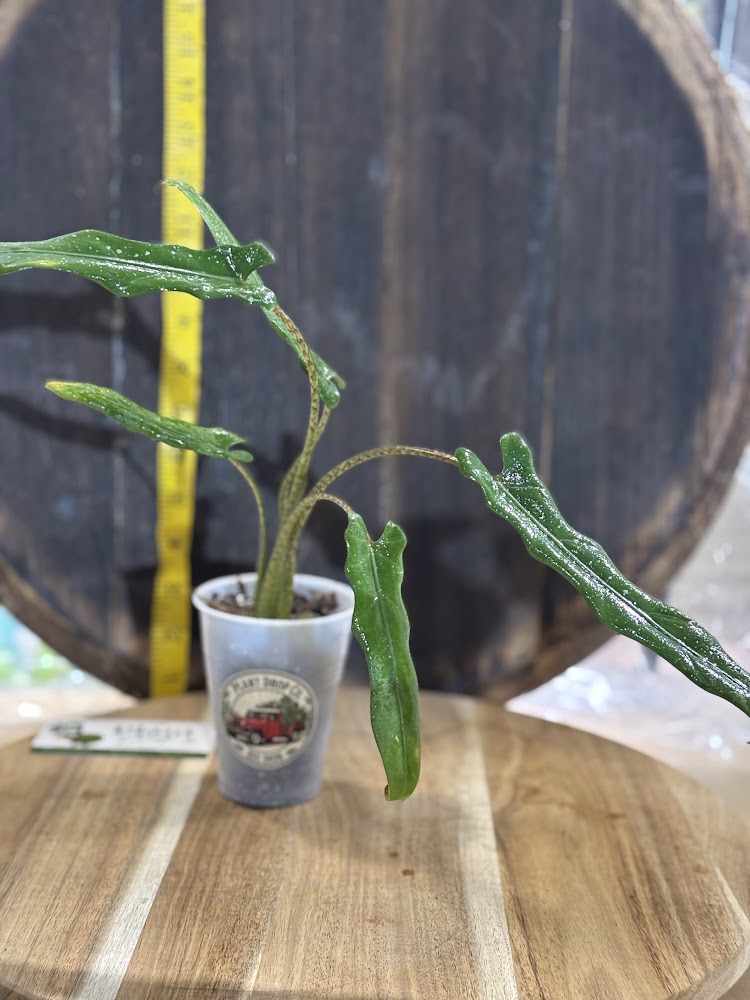
Alocasia Lauterbachiana aurea
A rare collector's plant featuring long, sword-like green leaves splashed with vibrant golden-yellow and cream variegation and deep burgundy undersides. Each leaf is uniquely marbled. Key Characteristics: • Shape: Narrow, lance-shaped leaves with wavy or scalloped edges — often called the 'Purple Sword'. • Variegation: Unpredictable golden-yellow, cream, and lime marbling. • Growth: Strong upright grower with a dramatic, architectural silhouette. Care: • Light: Bright indirect light to maintain variegation without burning. • Water: Water when top inch of soil is dry; use a chunky, well-draining mix. • Humidity: 60%–80% ideal. • Temperature: 65°F–85°F.
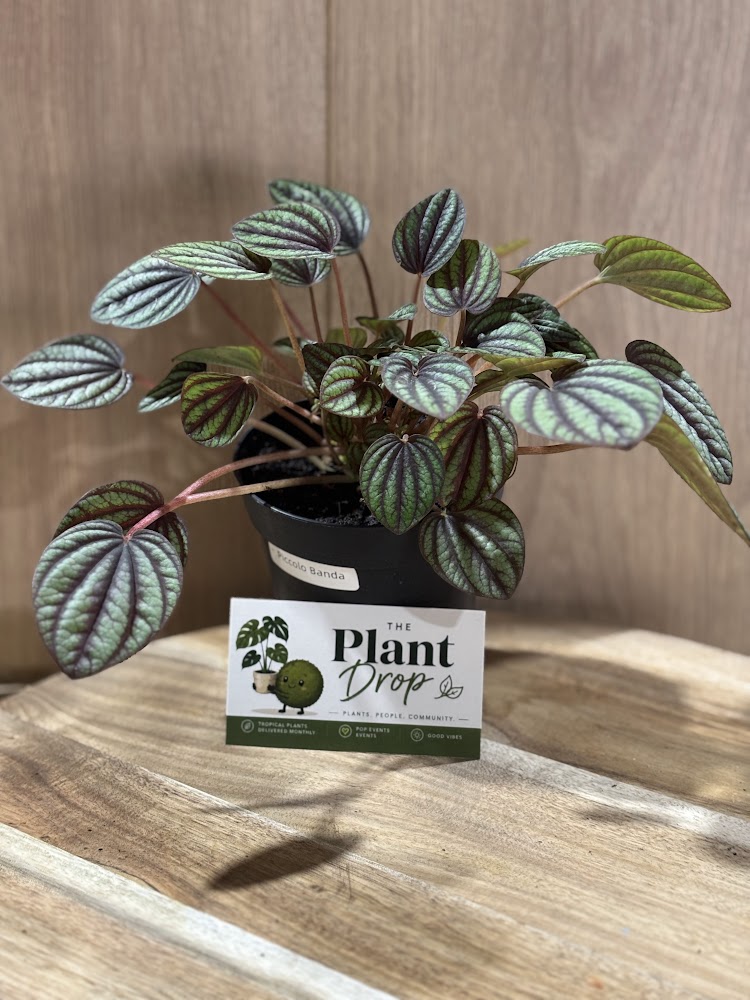
Piccolo Banda Peperomia
Light: Thrives in bright, indirect light, though it can tolerate lower-light office or indoor settings. Avoid direct sun, which can fade the leaf patterns. Water: Allow the top 1 to 2 inches of soil to dry completely between waterings. Because it is semi-succulent, overwatering is the easiest way to damage the plant. Soil & Humidity: Use a loose, well-draining potting mix containing perlite or orchid bark. Average household humidity is fine, but it enjoys occasional misting. Temperature: Keep in a warm indoor environment between 65°F and 75°F (18°C to 24°C).
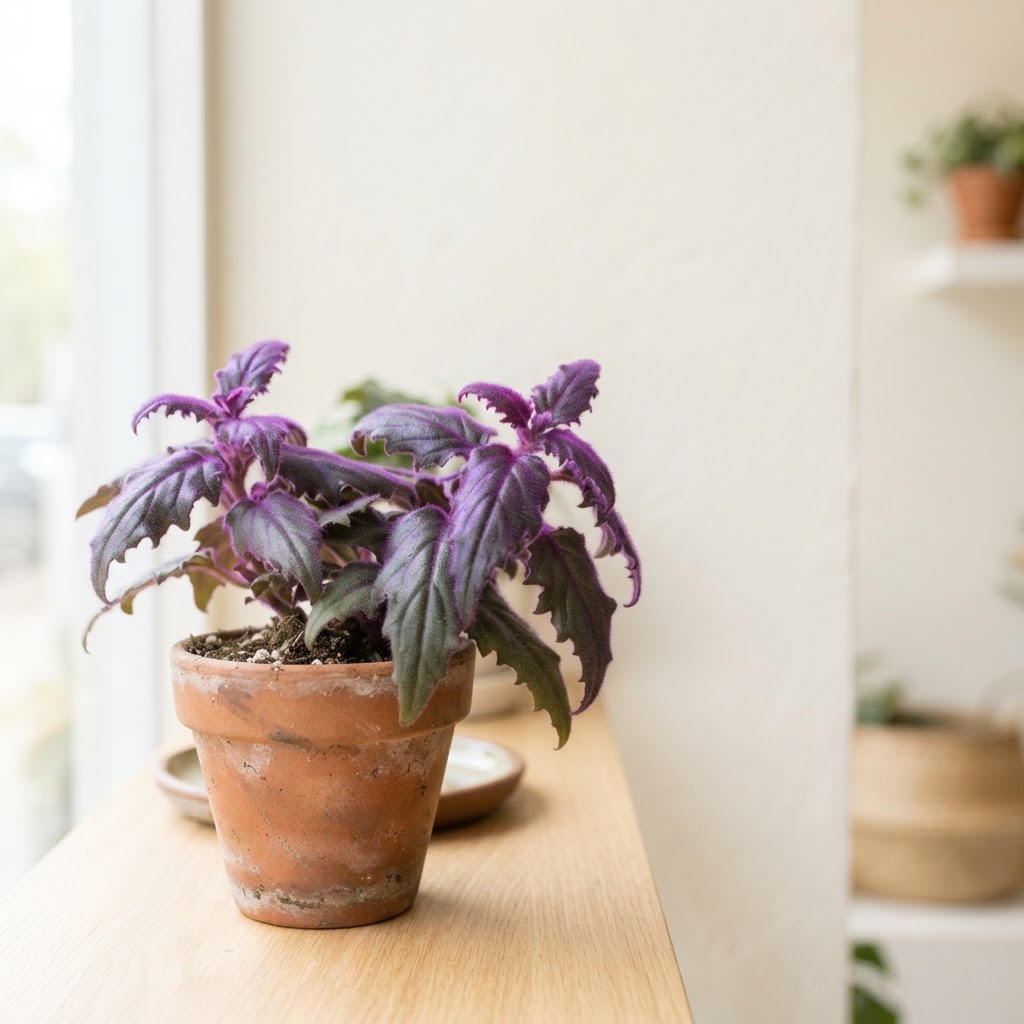
Purple Passion Plant
Light: Place the plant in bright, indirect sunlight. Morning sun or a northern window works well. Direct afternoon sun can burn the leaves, while too little light causes the purple color to fade into plain green. Water: Keep the soil slightly moist during spring and summer. Allow the top layer to dry out slightly between waterings, and reduce watering in the winter. Avoid overwatering to prevent root rot.Soil: Use a well-draining indoor potting mix, ideally blended with perlite or vermiculite. Humidity: They enjoy moderate humidity, but never mist the leaves. The fuzzy hairs trap moisture and can easily lead to rot or fungal issues. Use a pebble tray instead.Pruning: Pinch back the trailing stems regularly to prevent the plant from becoming leggy and to encourage a bushier, fuller shape.
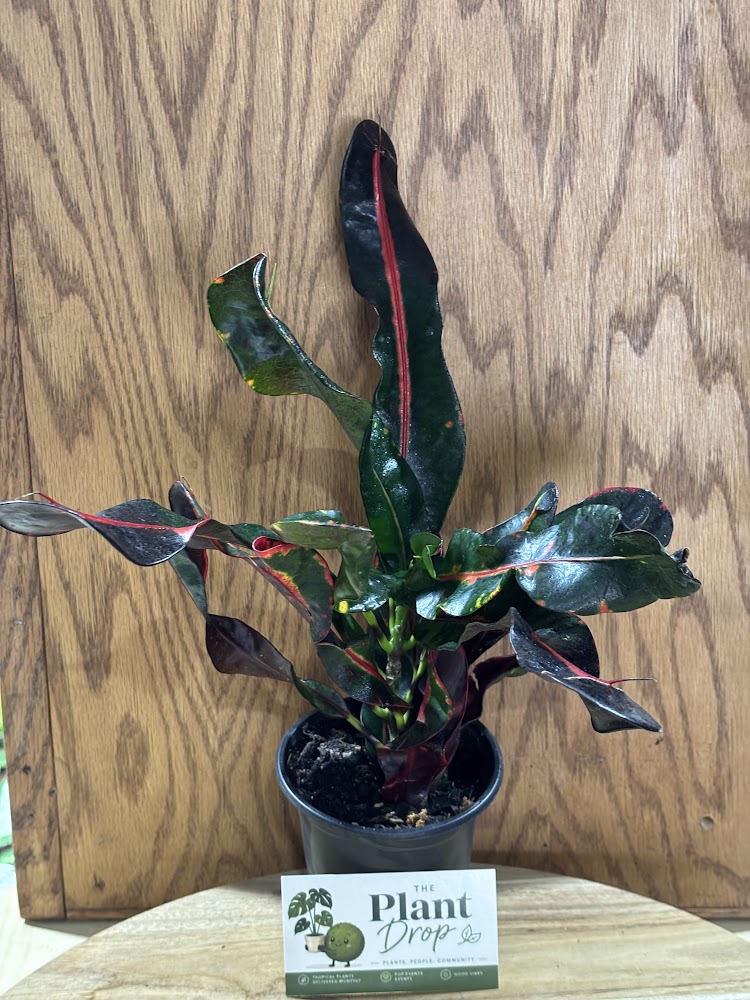
Croton Mammy Fire
Light: Needs bright, indirect light with a few hours of gentle direct sun daily to maintain its neon reds, yellows, oranges, and purples. Too little light leads to green leaves. Water: Water when the top 1 to 2 inches of soil feel dry, keeping the soil evenly moist but never soggy.Soil & Fertilizer: Plant in a well-draining, lightly acidic potting mix. Feed with a diluted, balanced fertilizer monthly during spring and summer. Temperature & Humidity: Thrives in warm spaces between 65°F and 85°F and prefers moderate-to-high humidity (50%–70%). Protect it from cold drafts.
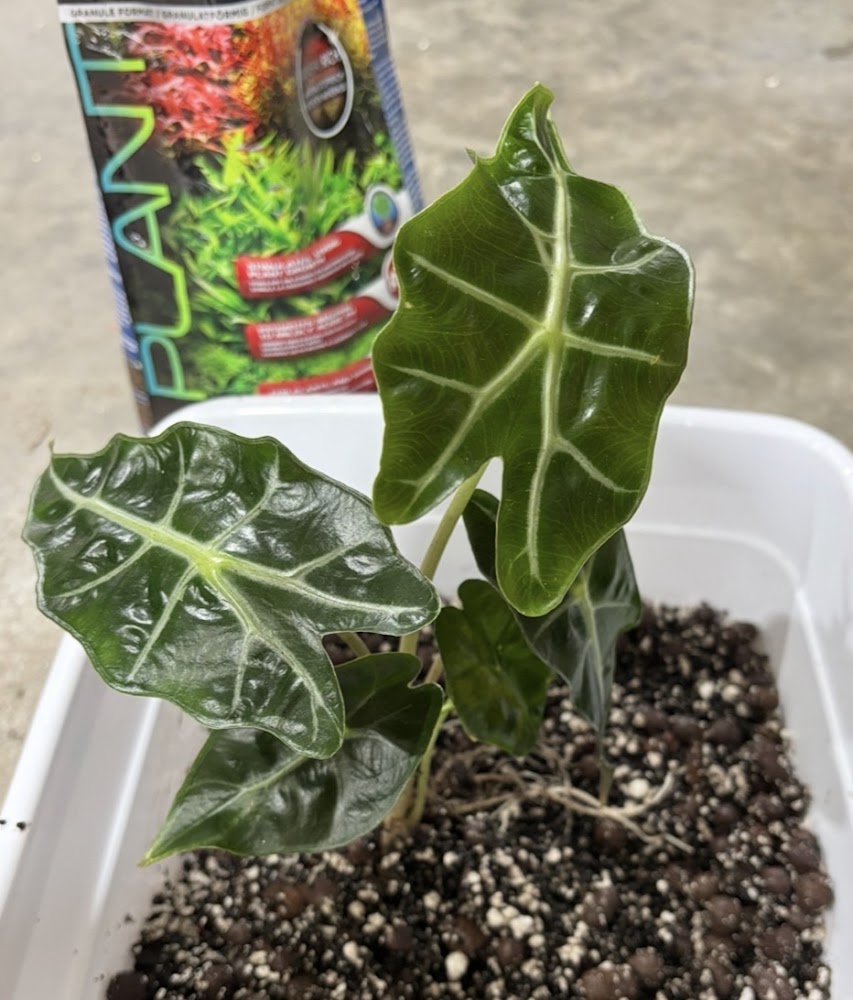
Alocasia Polly
6" Alocasia in semi hydro (Fluval, perlite, and leca). Best grown in part shade, filtered sun or bright indirect light in consistently moist, organically rich, well-drained soils in high humidity. Air temperatures should not dip below 60°F.
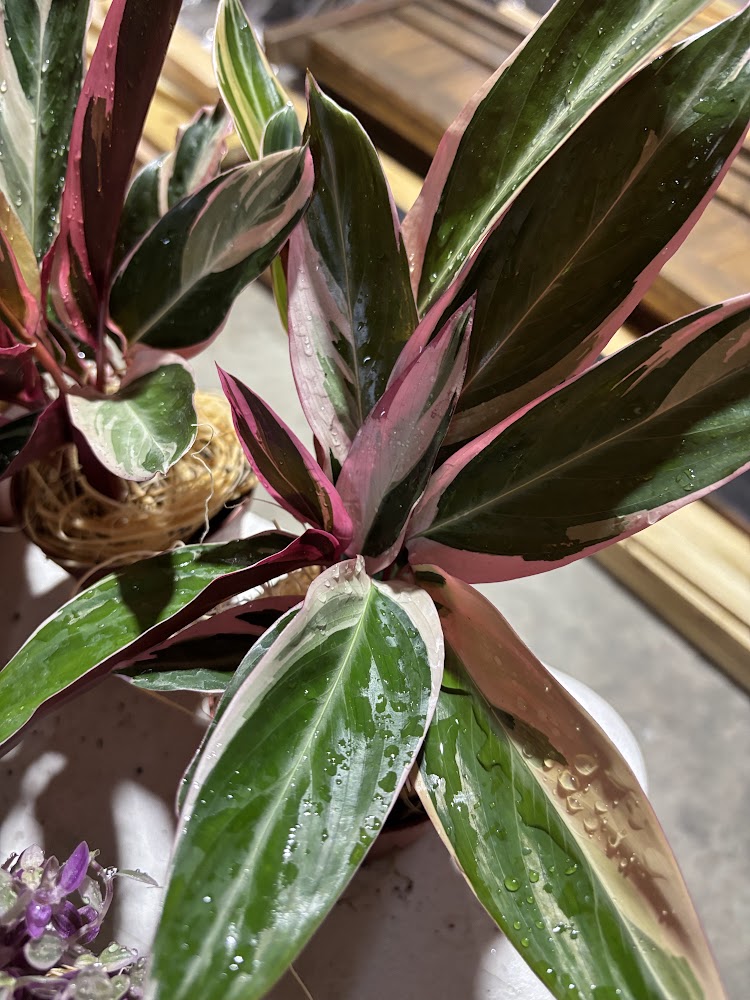
Tricolor Stromanthe
A stunning tropical houseplant known for its bright green, cream, and pink variegated leaves with magenta undersides.
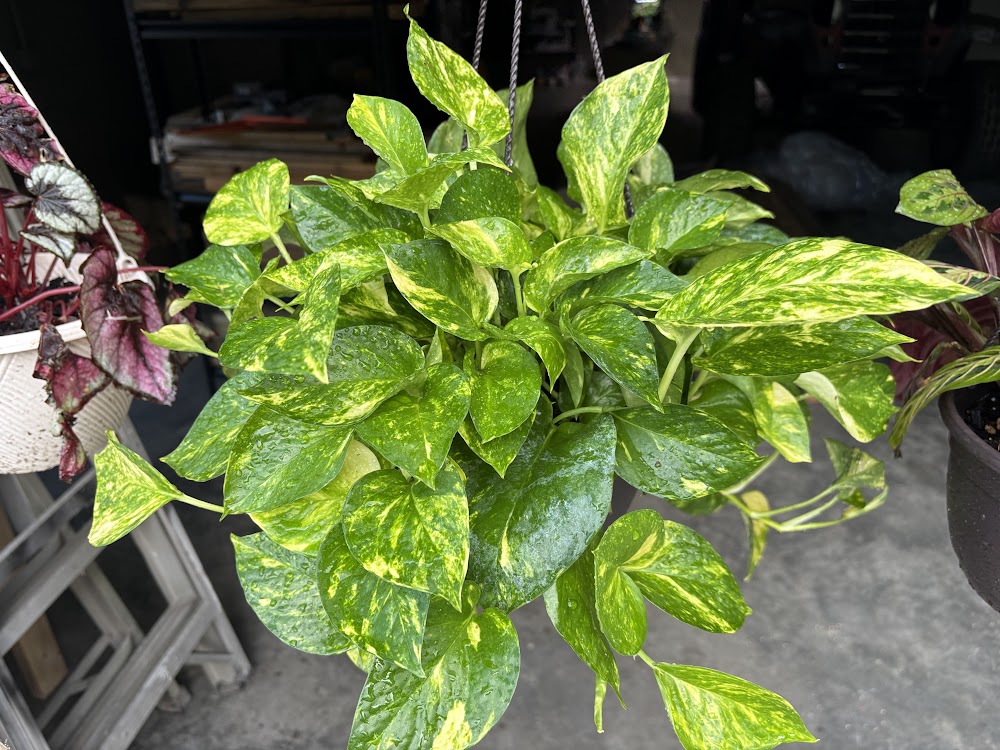
Golden Pothos
22" Hanging basket. The Golden Pothos is a tried-and-true houseplant loved for its heart-shaped leaves streaked with golden variegation. Often called a beginner's plant, this fast-growing trailing vine thrives in low to bright indirect light and bounces back from the occasional missed watering.
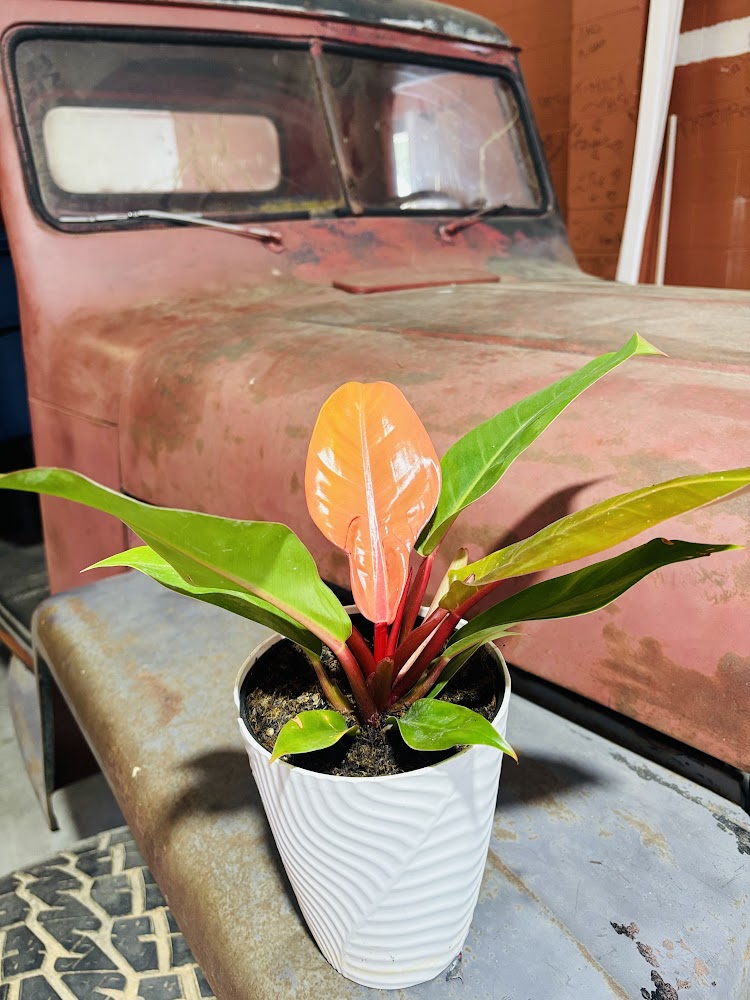
Philo Prince of Orange
The intensity of its signature starburst orange leaves depends entirely on the light it receives. Without enough light, new growth will emerge muted or entirely green.
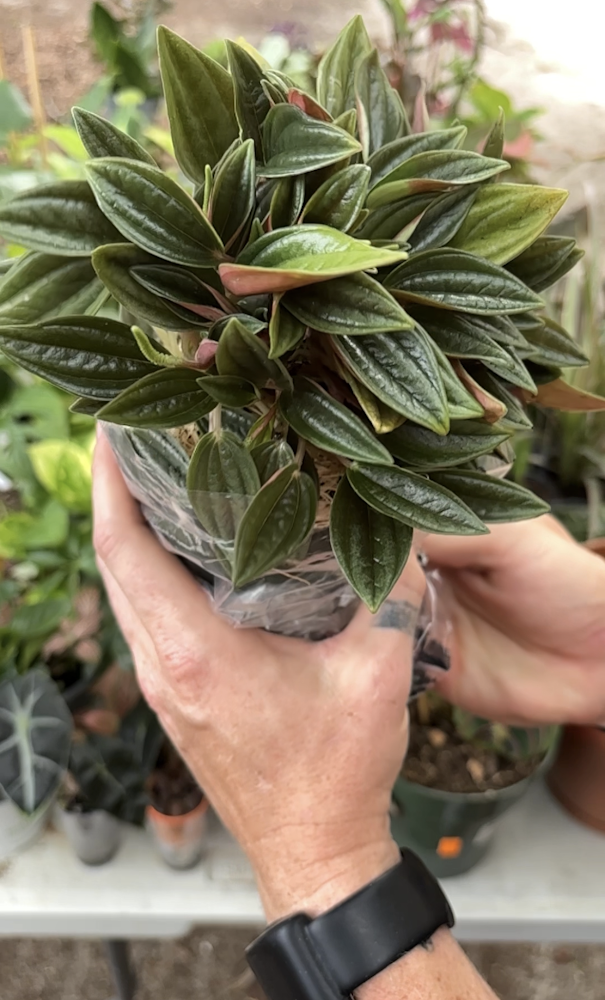
Pepperomia Rosso
Peperomia rosso is recognized for its textured, colorful leaves with silver and green on top and a deep red underside. Thrives indoors with moist, well-draining soil, moderate watering, and bright, indirect light. Perfect for both experienced gardeners and novices.
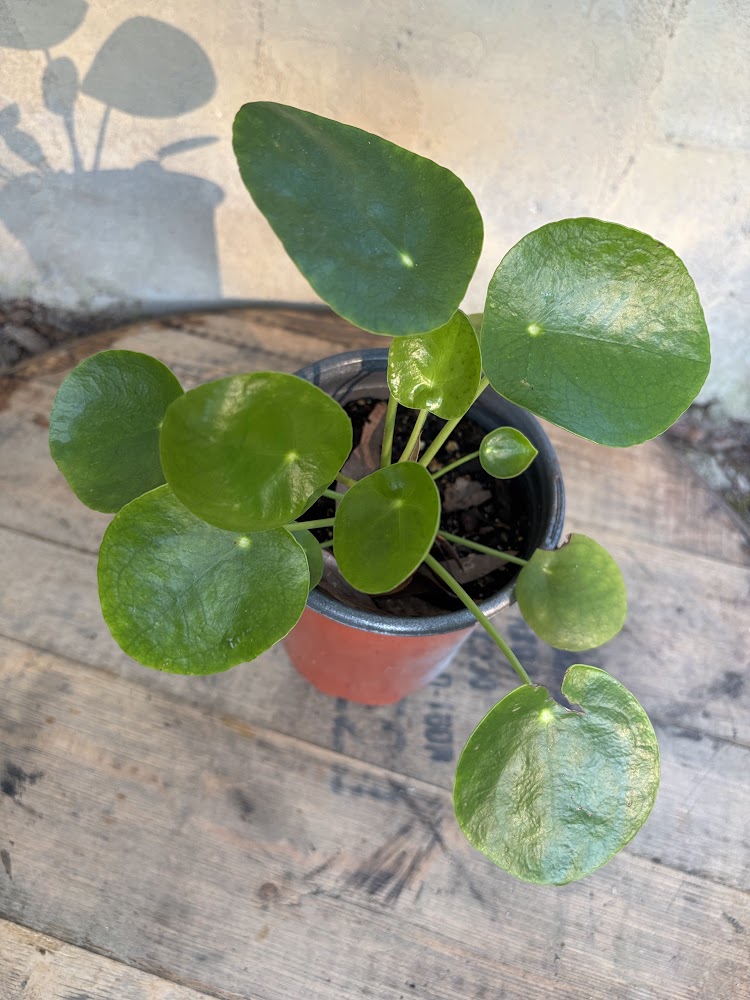
Chinese Money Plant
Light Place the plant in a bright spot with indirect sunlight. Avoid harsh, direct sun rays that can burn the leaves. Rotate the pot weekly so the plant grows straight and even. Water Water when the top inch of soil feels dry. Let the soil dry out almost completely before watering again. Prevent root rot by using a pot with good drainage holes
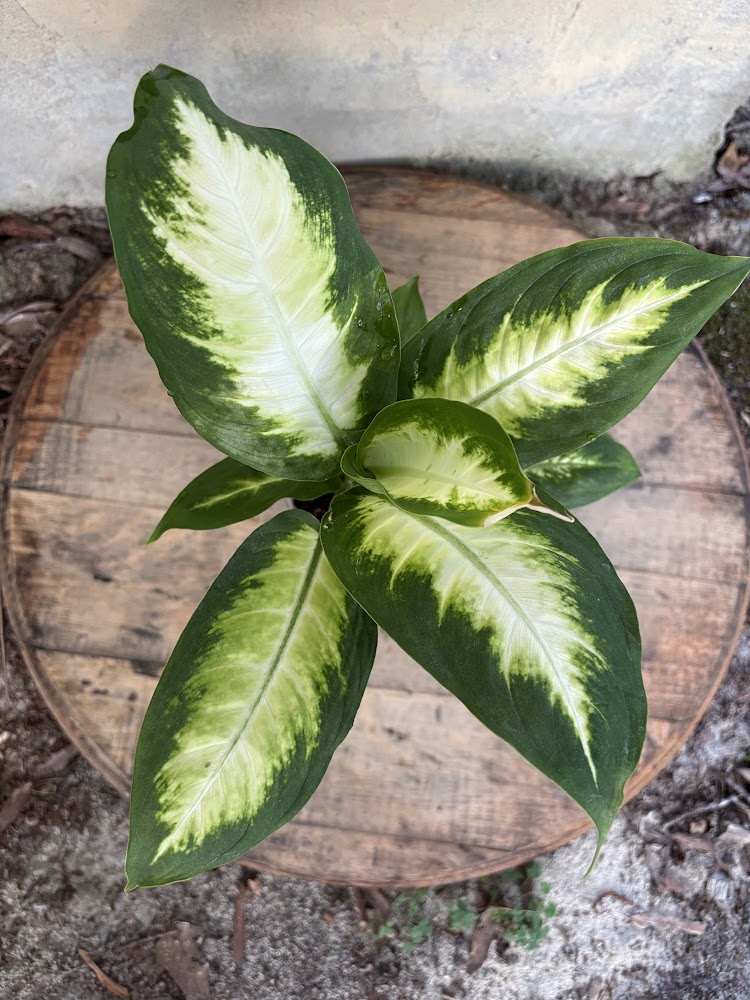
Aglaoneama Silver Bay
The Aglaonema 'Silver Bay' (commonly called the Chinese Evergreen) is a hardy, low-maintenance indoor houseplant famous for its thick, matte oval leaves painted with a light silver-green center and dark green edges. Growing up to three feet tall and wide, this plant is an excellent choice for beginner plant parents because it easily tolerates low light and missed waterings
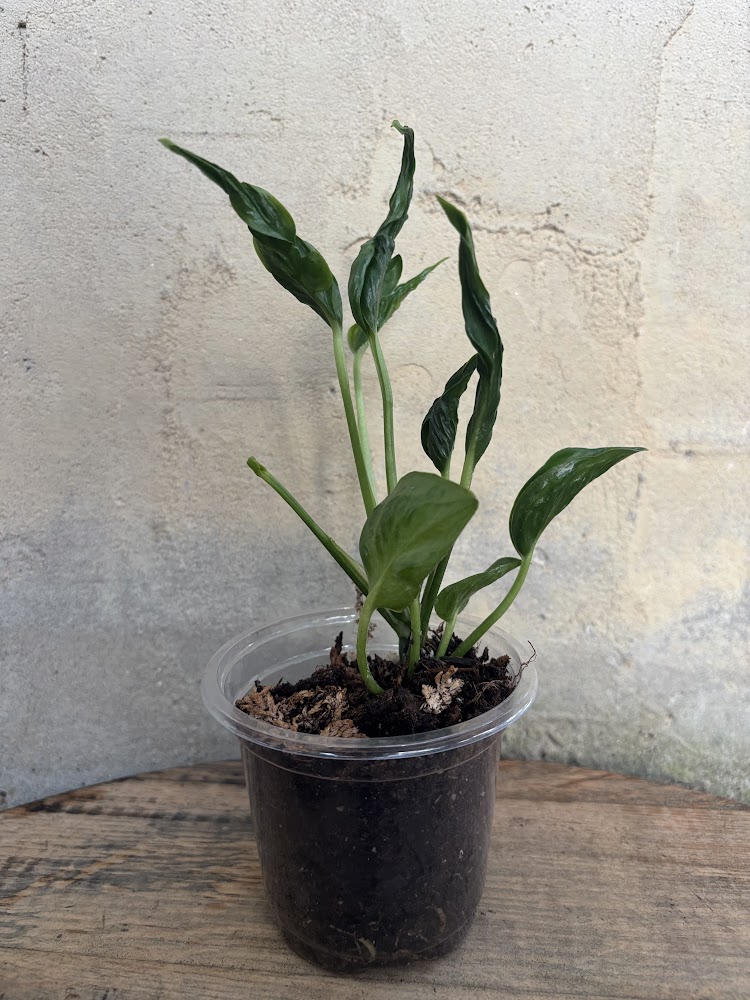
Pothos Shang gri la
Pothos ‘Shangri La’ 🌿 has thick, twisted, curly leaves that give it a fun, crinkled look unlike a standard pothos, so it stands out right away even in a small pot. It does best in bright indirect light indoors, where the growth stays fuller and the foliage keeps its best shape on shelves, desks, or hanging planters. This is an easygoing plant overall and works well for beginners, though it grows a bit differently and usually more slowly than a typical trailing pothos. Pro tip: if the plant starts looking stretched or sparse, move it closer to brighter light and let the soil dry slightly between waterings ✂️.
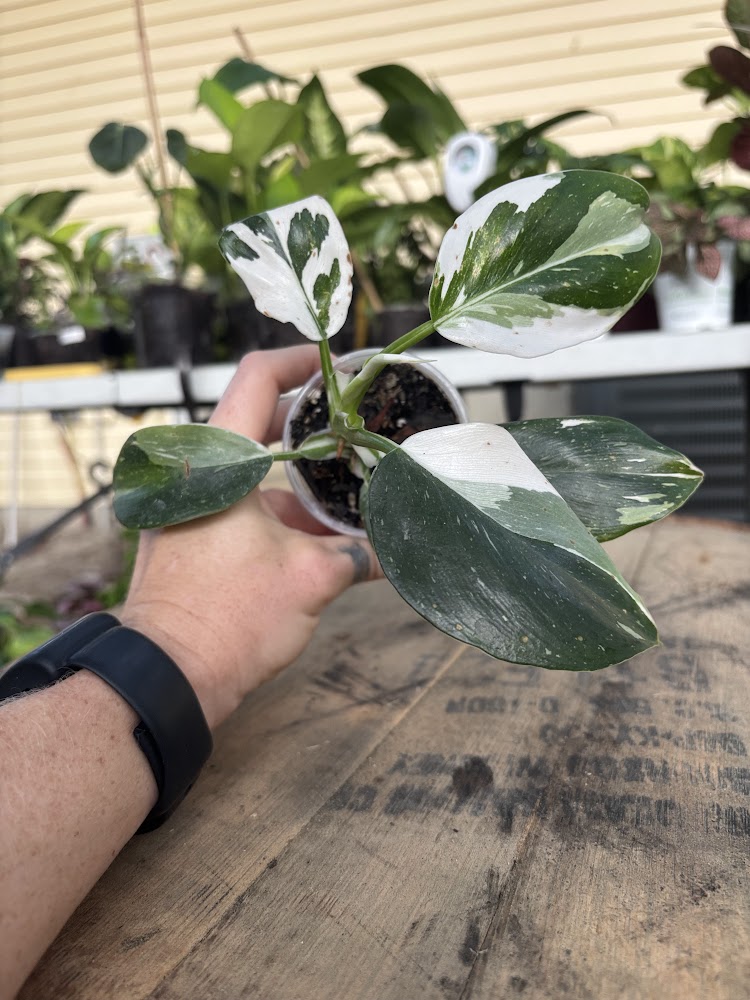
Philodendron white wizard
Light: Bright, indirect sunlight is best to maintain variegation, though direct afternoon sun should be avoided to prevent burning.Water: Allow the top 1 to 2 inches of soil to dry out completely between waterings.Soil: Use a chunky, well-draining, airy mix containing perlite, peat, and orchid bark.Humidity: It thrives in higher humidity (50–60% or above) but adapts well to normal indoor household conditions.
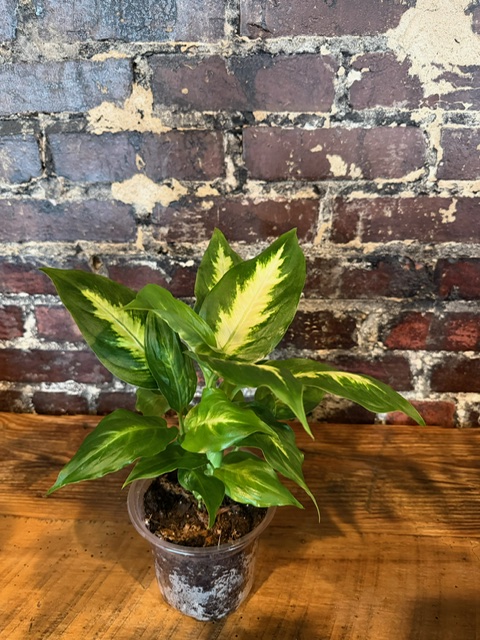
Aglaoneama
Light: Thrives in medium to bright indirect light, but tolerates low-light environments. Brighter light enhances the vibrant colors of variegated and red cultivars, while direct sun will scorch the leaves. Water: Allow the top 1 to 2 inches of soil to dry completely between waterings. Reduce watering in the fall and winter, and always ensure proper drainage to prevent root rot
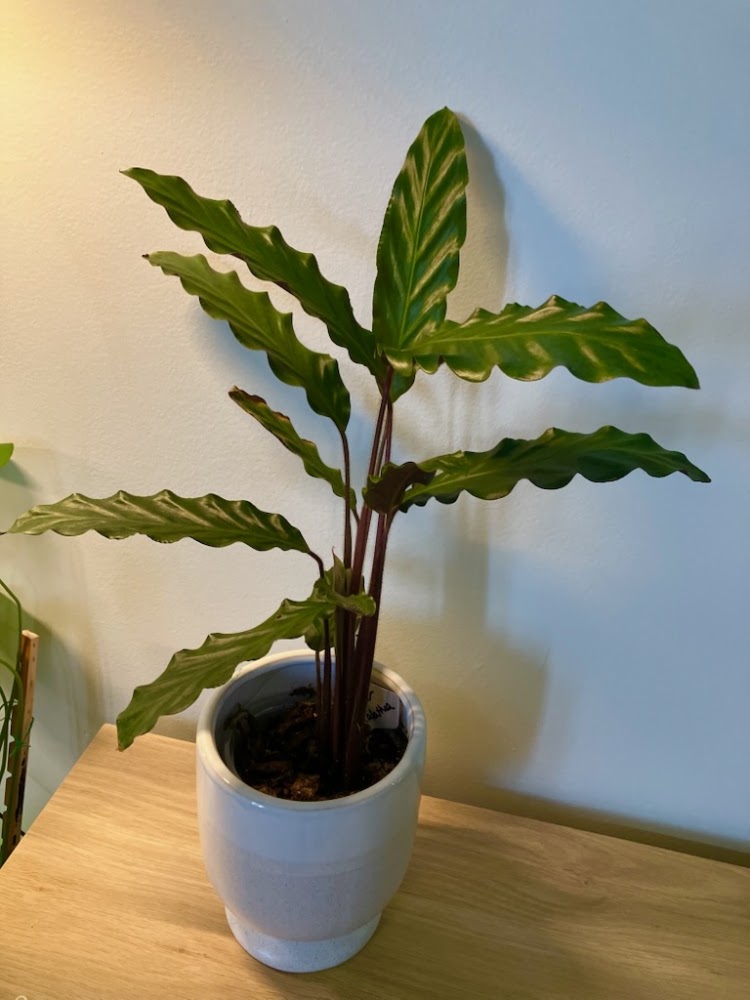
Rattlesnake Calathea
Indirect light – Calathea plants need bright, but not direct, sunlight to grow. This is because they grow on the floor of jungles and forests where they get limited light through the tops of the trees. In fact, direct sunlight will burn the leaves of a Calathea plant and cause it to lose its vibrant colors. Limited water – Use distilled water or water that has been purified in some way to water Calathea plants. Calathea like to have moist soil or planting substances, but not soggy. They do not want lots of water, as it can drown them. When you water a Calathea plant, do not water it so much that the plant ends up sitting in standing water. Temperature – Calathea plants do not like the cold very much. They are from tropical areas of the world and prefer temperatures between 65-80 degrees. Temperatures above and below that can cause damage to the plant, first evident in the curling of the leaves.
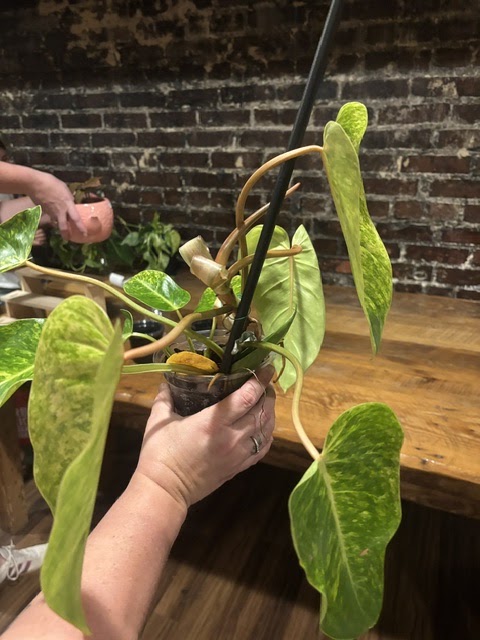
Painted Lady Philodendron
Painted Lady Philodendrons thrive in bright, indirect light for 6–8 hours daily to maintain their vibrant yellow and green variegation. Ideal placement is near an east- or north-facing window, or a few feet back from a south/west window. Too much direct sun can scorch leaves, while too little causes faded, green, and leggy growth. Optimal Light: Bright, indirect light is essential to keep the variegation vivid. Avoid Direct Sun: Harsh, direct midday sun will burn the leaves. Low Light Effect: If placed in lower light, growth will become slower, lanky, and less variegated.
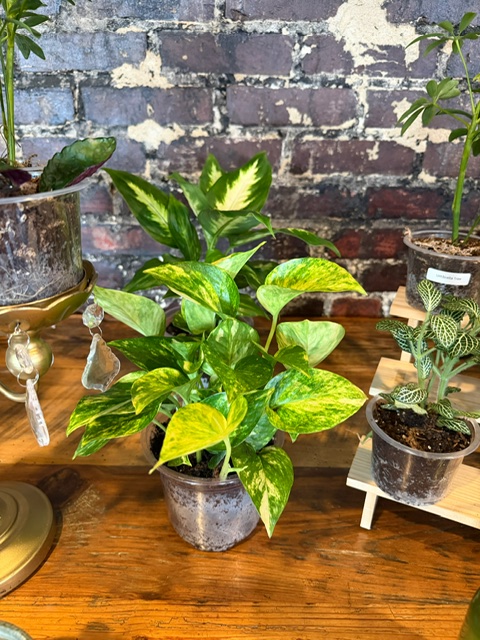
Emerald Green Pothos in 6" pot
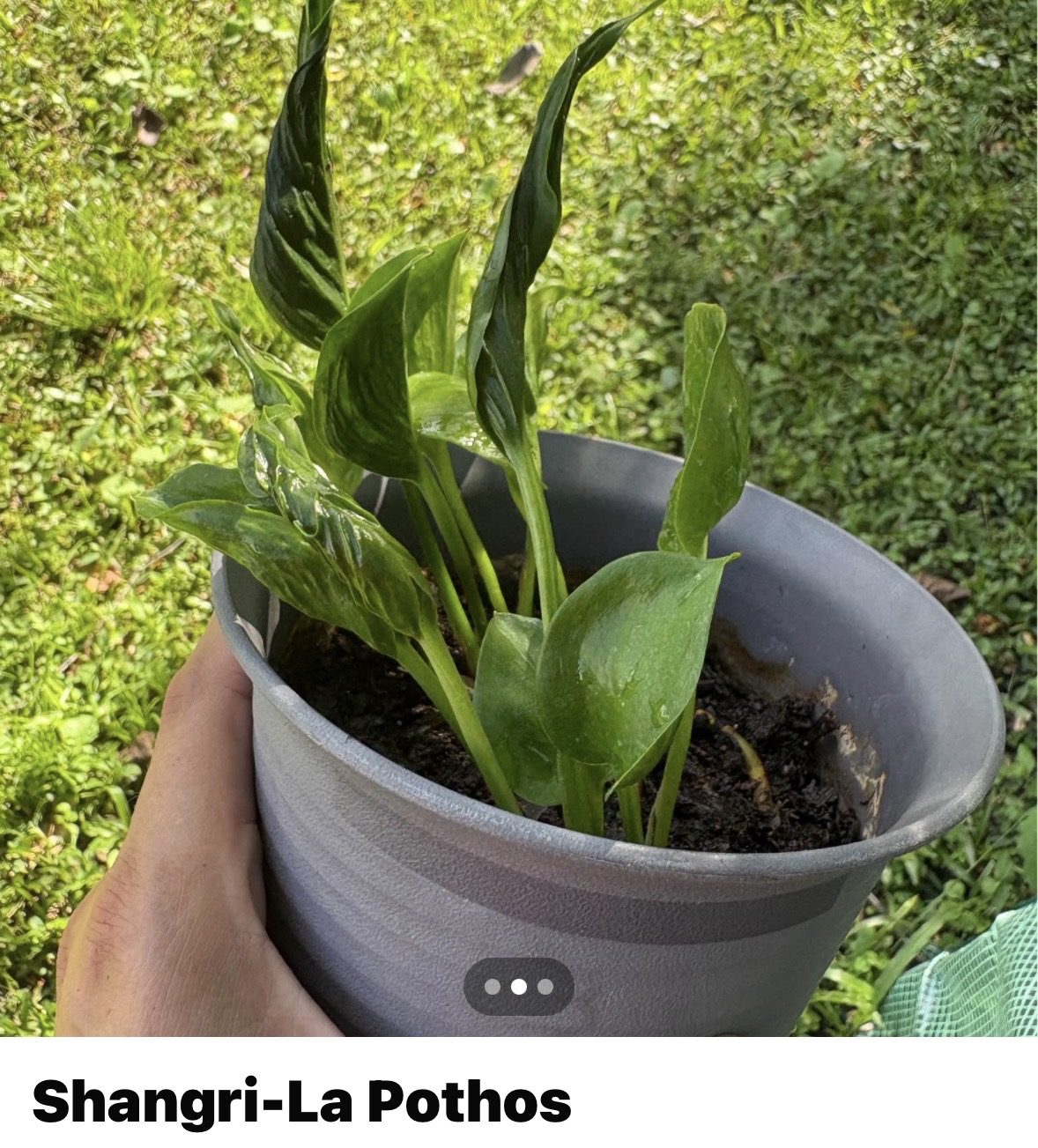
Shangri La Pothos
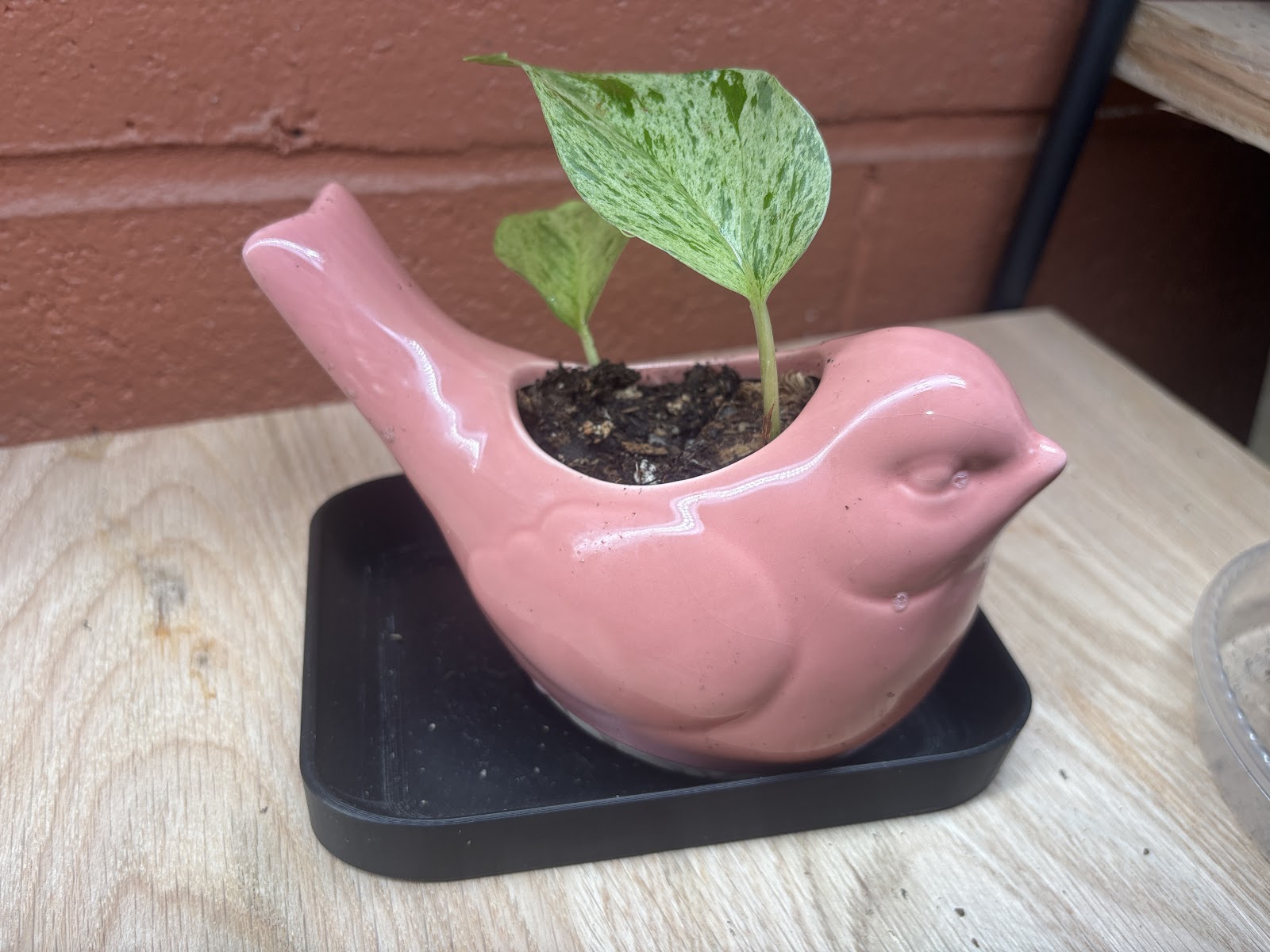
Golden Pothos Love Bird
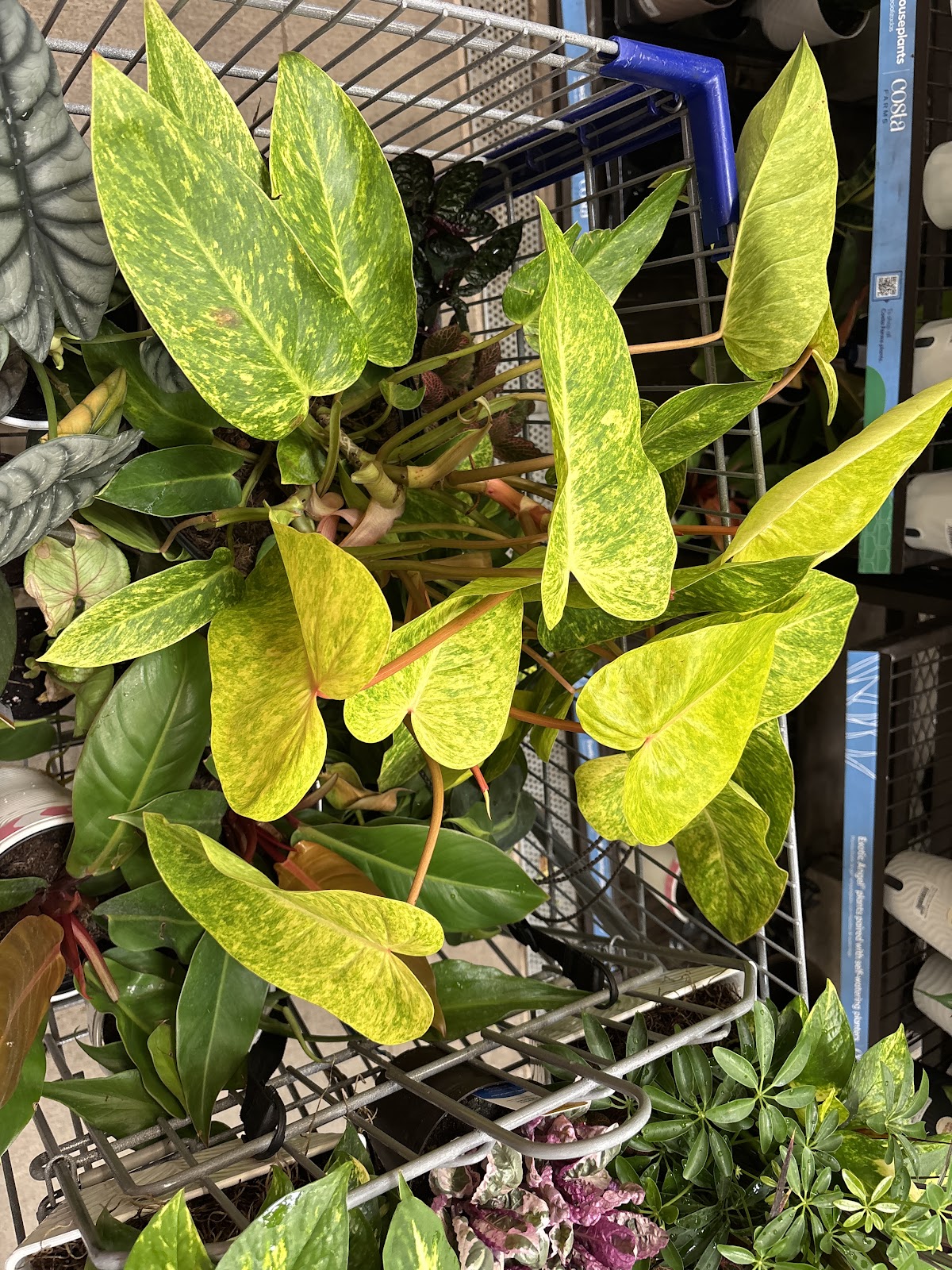
Painted Lady Philodendron
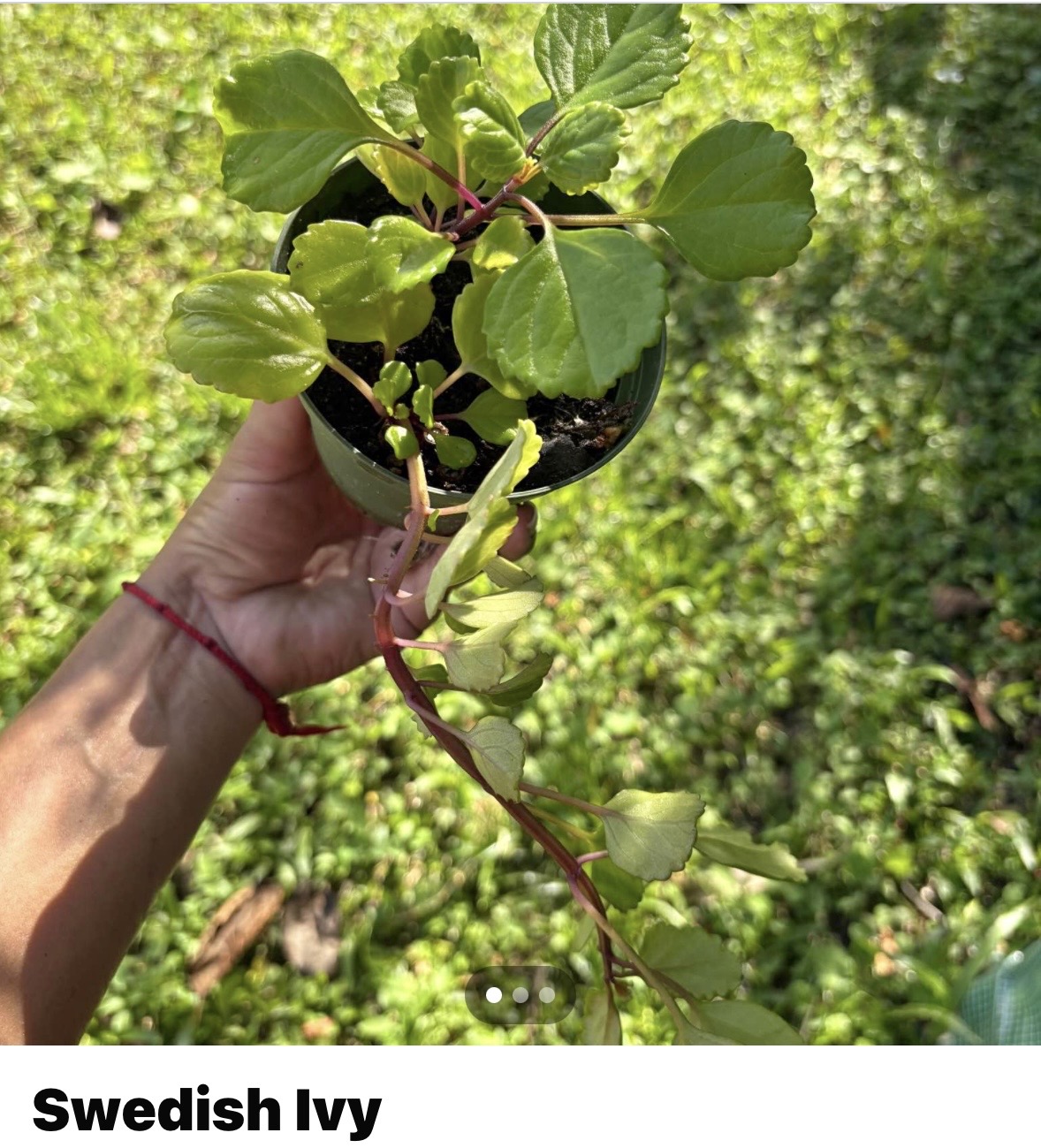
Swedish Ivy
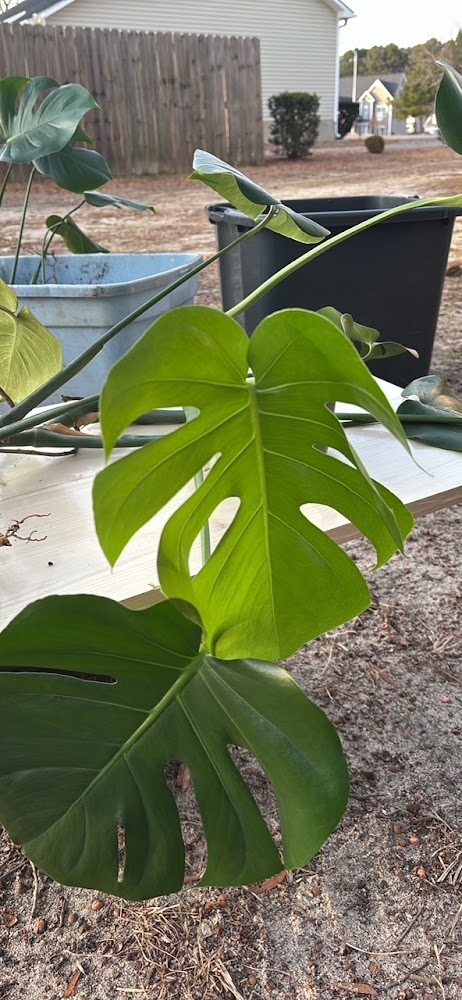
Monstera Deliciosa borsigiana
Slightly smaller variety which is great if you want a Monstera but lack the space these giants can sometimes grow into
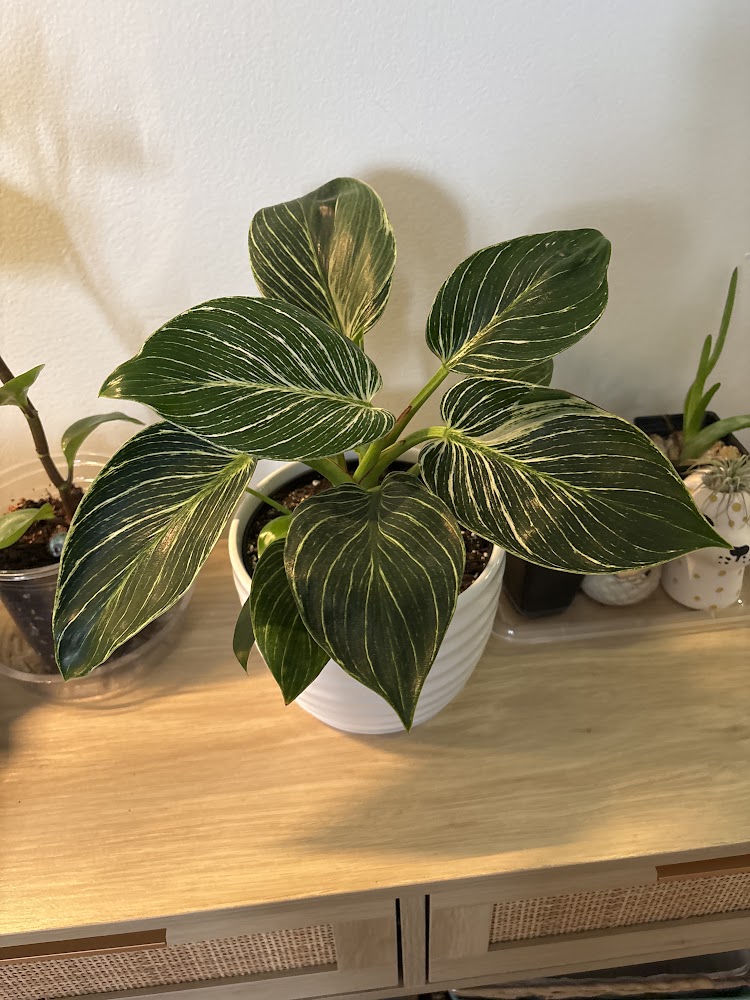
Philo Birkin
Light: Bright, indirect light keeps the white pinstripes bright. Avoid direct sun, which can burn the leaves.Water: Water when the top 1 to 2 inches of soil feel dry. Let excess water drain completely, and never let the plant sit in soggy soil. Soil: Use a loose, well-draining soil mix made of regular potting soil, orchid bark, and perlite. Temperature & Humidity: Keep temperatures between 65°F and 85°F. It likes medium to high humidity, but adapts well to normal room conditions
Global Green Pothos
Light: Thrives in medium to bright indirect light. Too little light dulls the variegation, while direct sun can burn the leaves. Water: Allow the top 1 to 2 inches of soil to dry out completely before watering again. Check actual soil dryness rather than sticking to a rigid schedule to prevent root rot. Soil: Use a loose, fast-draining potting mix rich in organic matter. Humidity & Temperature: Prefers normal indoor humidity, though higher humidity levels promote faster growth. Keep temperatures between 60°F and 85°F.
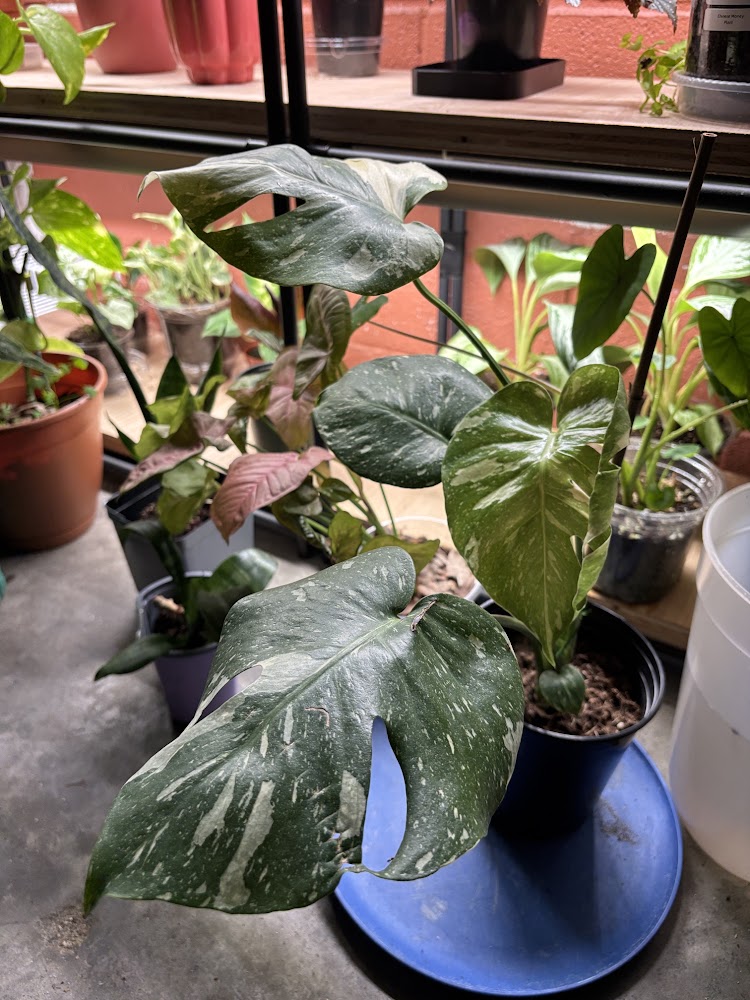
Monstera Thai Constellation
Light Needs Bright light: Place it near a window with bright, indirect sunlight. Avoid harsh sun: Direct midday sun can burn the white parts of the leaves. Watering and Soil Chunky soil: Use an airy potting mix made with perlite, orchid bark, and coco coir so water flows right through. Let it dry: Wait until the top 75% of the soil is dry before you water again. Root rot risk: They hate sitting in wet dirt, so it is safer to slightly underwater than overwater. Temperature and Humidity Warm air: Keep the room between 68°F and 86°F (20°C to 30°C). Humidity: They enjoy around 50% to 60% humidity, though standard home conditions usually work fine.
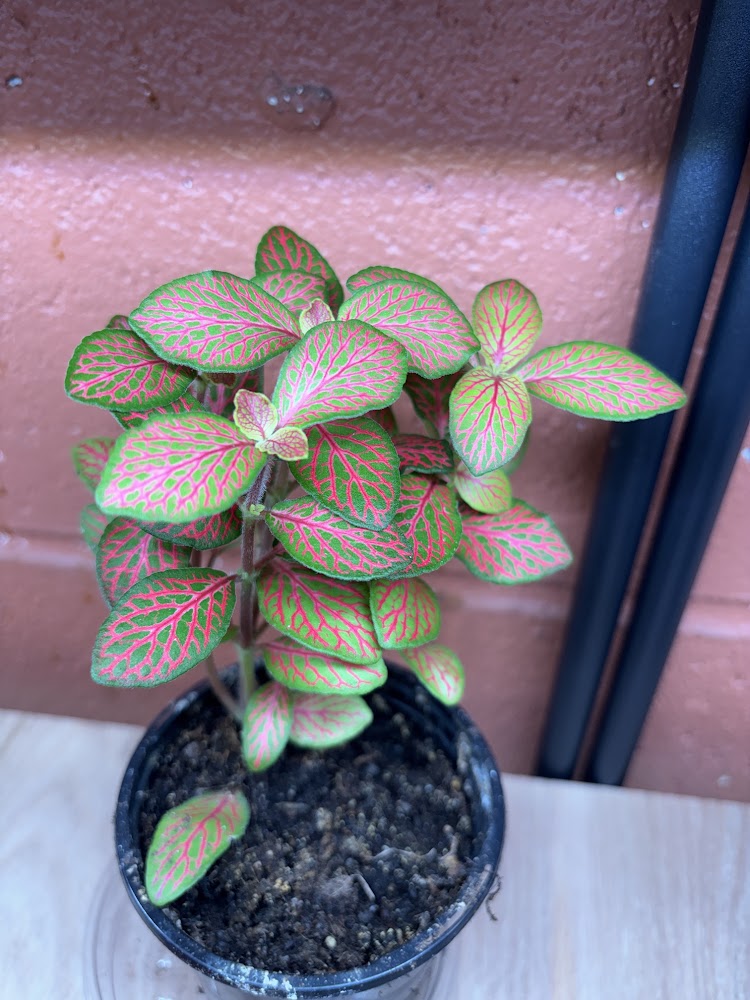
Nerve Plant - fittonia red anne
Light: Bright, indirect light; direct sun will burn the delicate leaves.Water: Keep soil evenly moist and water when the top inch feels dry. It dramatically droops when thirsty but bounces back quickly after watering.Humidity: Thrives in high humidity (above 50%), making it perfect for terrariums, bathrooms, or near a humidifier.Temperature: Prefers warm indoor spots between 65°F and 80°F, away from cold drafts or air vents
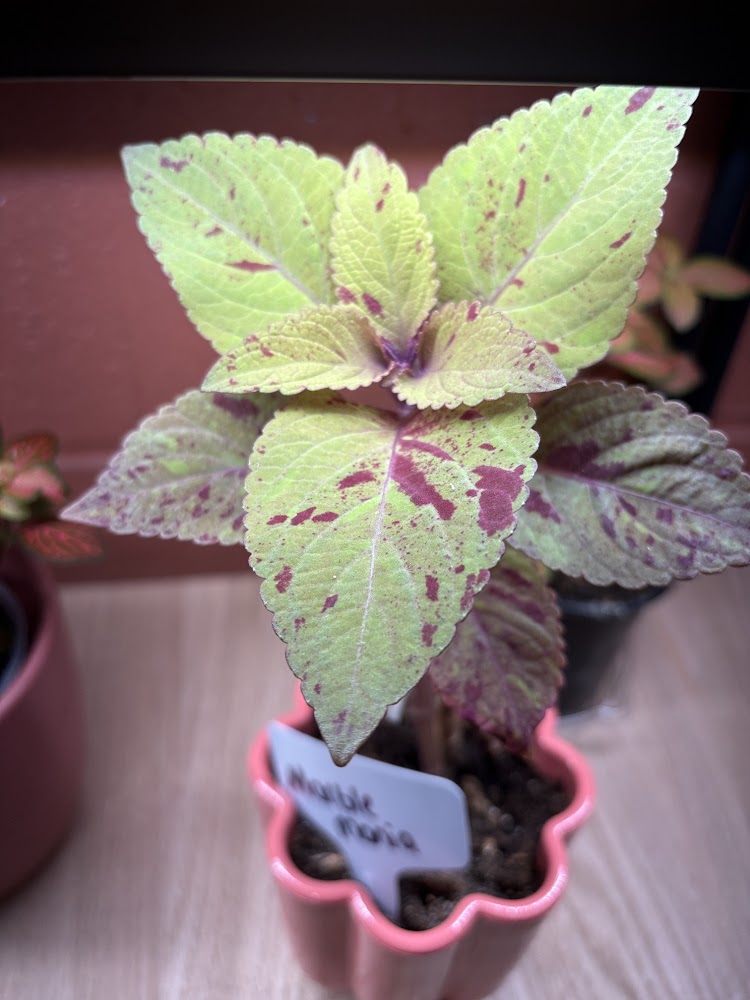
Marble Mania Coleus
Light: Thrives in full sun to partial shade; more sun yields brighter colors.Water: Keep soil evenly moist; do not let it dry out completely.Pruning: Pinch stem tips often to encourage a thick, bushy shape
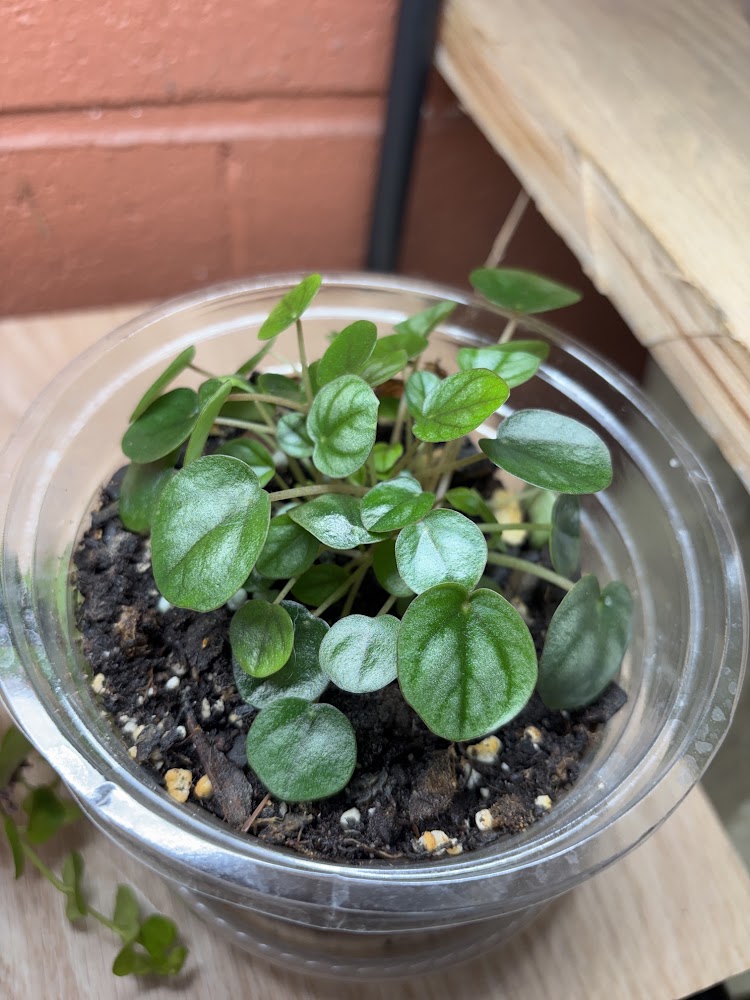
Peperomia Caperata "Napoli Nights"
Semi Succulent avoid over watering, thrives in bright indirect light.
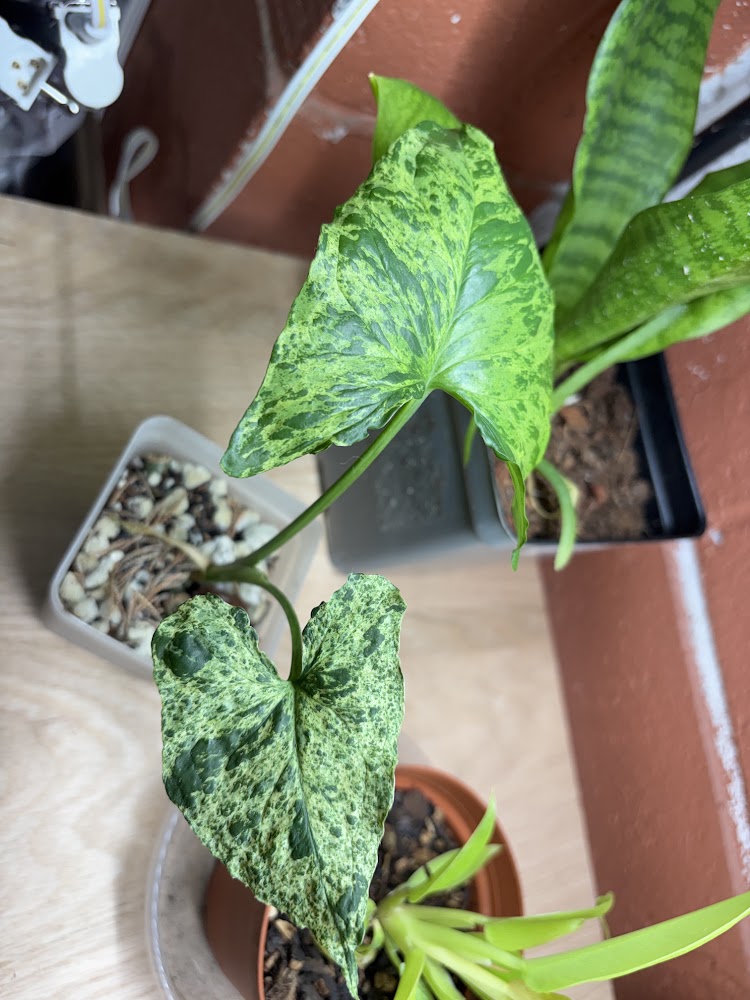
Mojito Syngonium
The Mojito Syngonium (Syngonium podophyllum 'Mojito') is a striking tropical vine featuring arrow-shaped leaves with unique mint-green, chartreuse, and dark green marbled speckles. It is a fast-growing, low-maintenance houseplant that thrives in bright indirect light and moist, well-draining soil.

Pin Stripe Calathea
easy to care for bright filtered or indirect light water - high water retaining soil
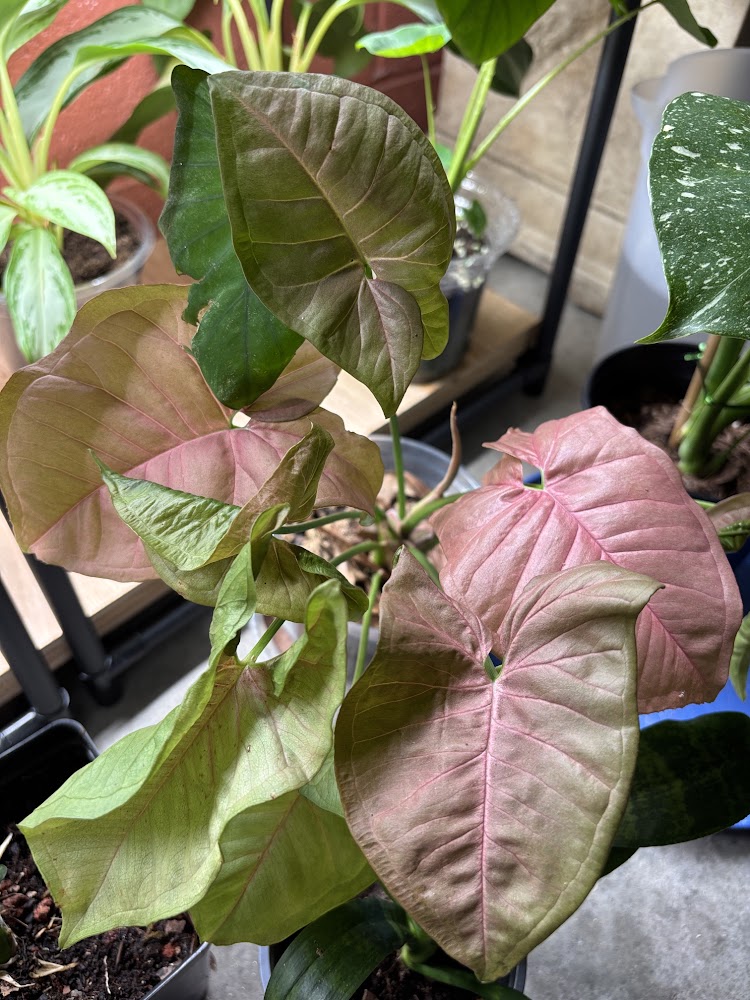
Syngonium Neon Robusta
Care RequirementsLight: Bright, indirect sunlight; direct sun will burn the leaves, while too little light fades the pink color.Watering: Allow the top inch of soil to dry out completely before watering thoroughly.Soil & Potting: Loose, well-draining potting mix amended with perlite or peat moss.Temperature & Humidity: Thrives in temperatures between 60°F–85°F and prefers higher humidity (around 60%), though it adapts to normal room conditions.Toxicity: Contains calcium oxalate crystals and is toxic to pets and children if swallowed
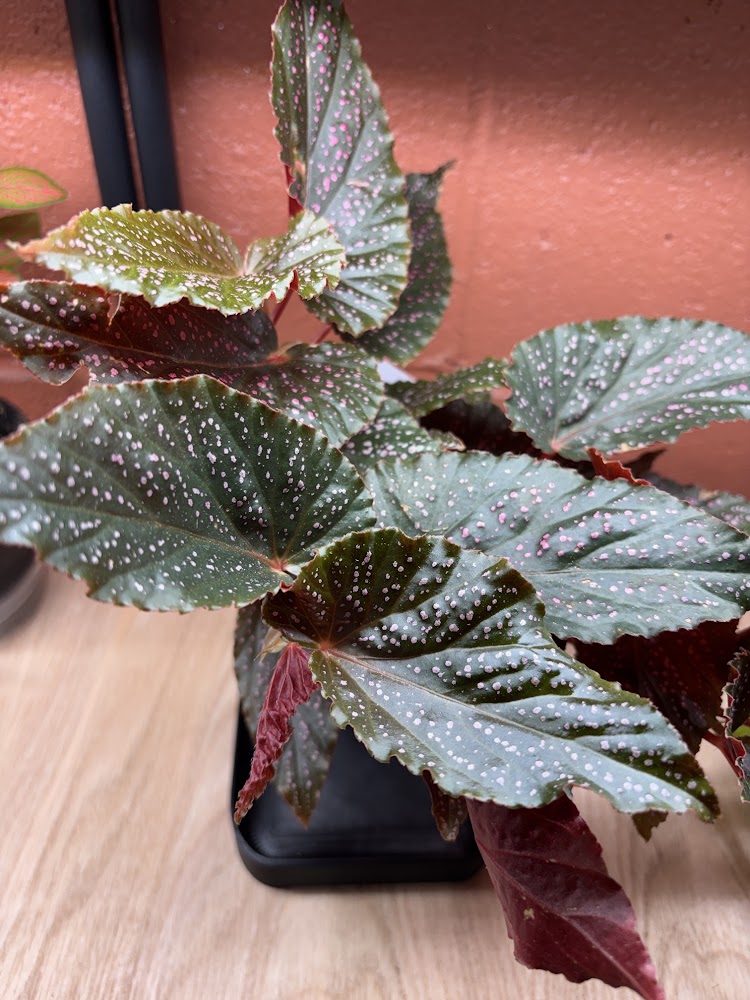
Pink Spot Begonia
The Pink Spot is a delightful begonia with dark green-crimson foliage and minuscule spots of rosy pink scattered across the leaves. If you are lucky enough to get yours to bloom, it will also boast dainty pink blossoms. Basic Needs: Bright, indirect light. Does not like to be soaking wet, but also cannot handle being dry for extended periods of time. We recommend small, but frequent waterings.
Philodendron Birkin
The Philodendron 'Birkin' thrives in bright, indirect light and a well-draining, chunky potting mix. Water when the top 50% to 75% of the soil is dry. Keep temperatures between 65°F and 85°F, maintain humidity above 50%, and fertilize monthly during the spring and summer
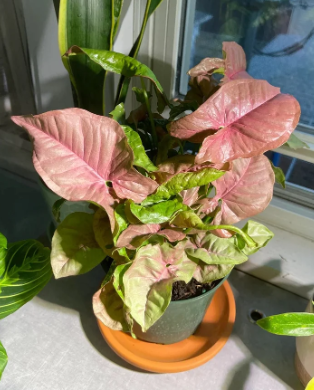
Syngonium Neon Pink Robusta
'Neon Robusta' features light green foliage tinged with rosy-pink. Mature plants will reach up to 1' tall with vining branches up to 2' long when grown as a houseplant. Vining stems will grow much longer if grown outdoors where hardy
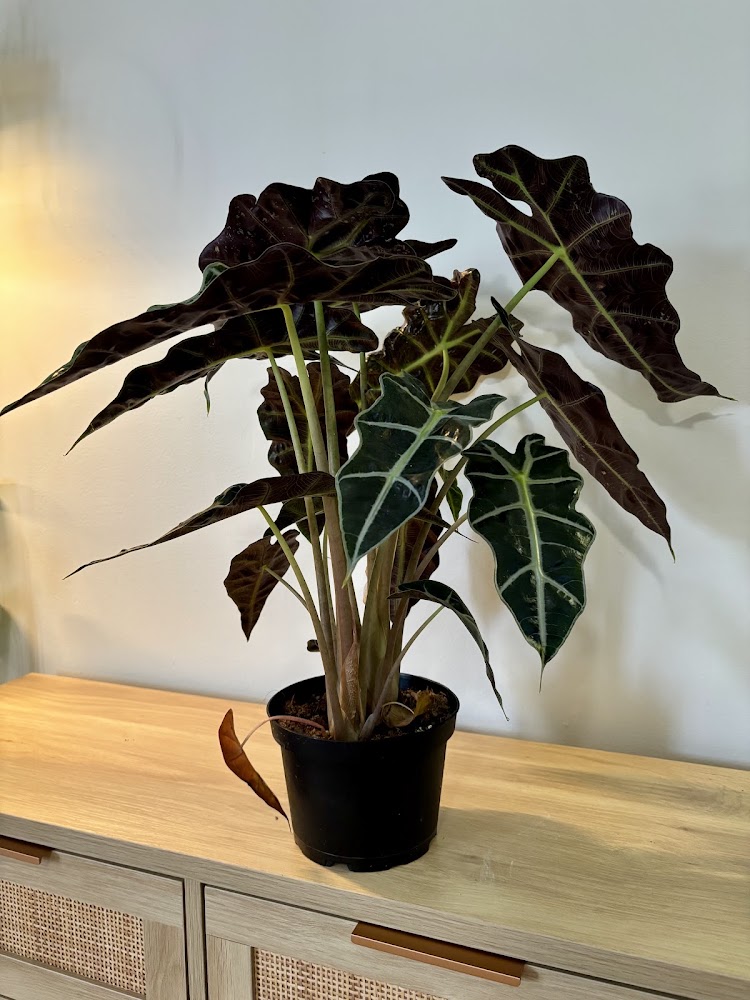
Alocasia Polly
Alocasia Polly, also known as Alocasia Amazonica or African Mask plant, is a stunning tropical houseplant renowned for its unique foliage and striking appearance.
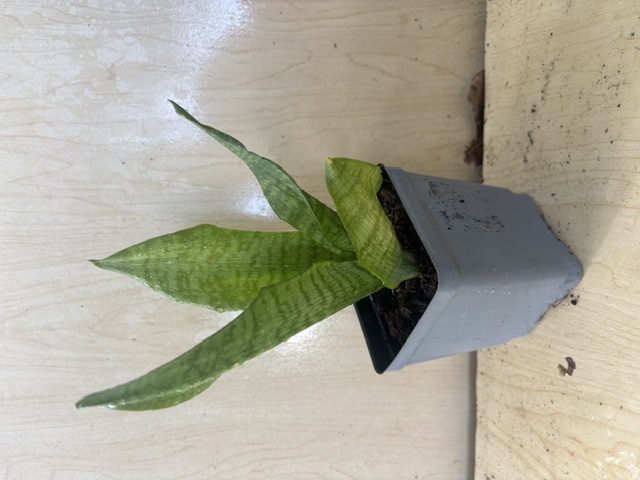
Snake Plant
Tough, sculptural, and nearly indestructible — the ultimate low-light trooper.
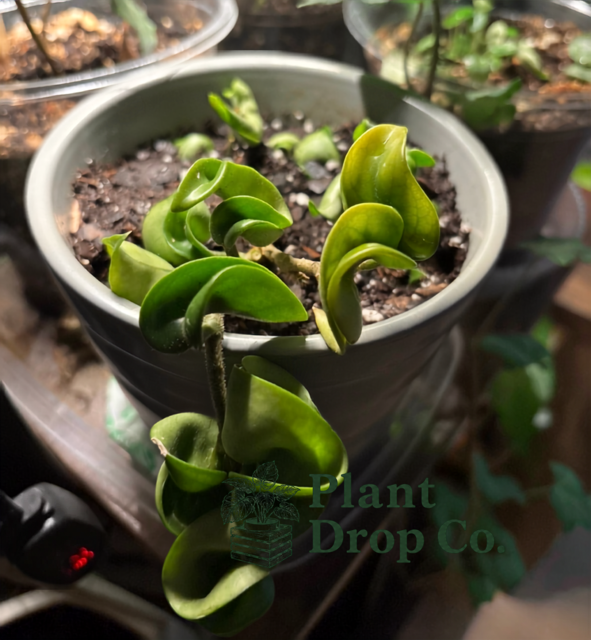
Hoya — Hindu Rope
Twisted, curling vines that trail like living sculpture. A collector favorite.
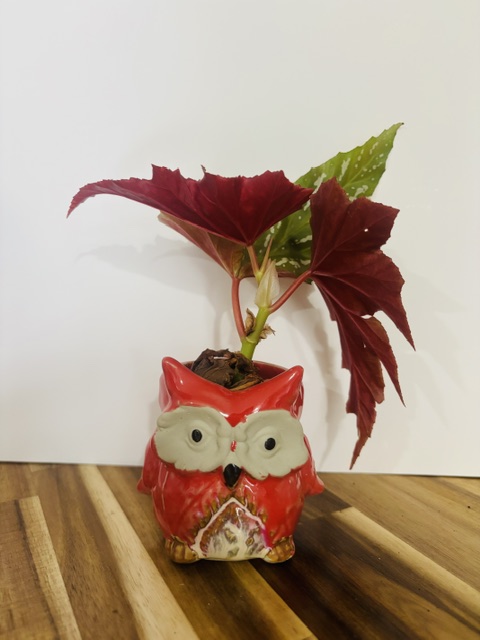
Owl Planter — Polka Dot Begonia
Playful planter meets polka-dot foliage. Whimsical and wonderfully easy to love.
"That's everything in the truck… for now. I'll restock when nobody's looking. 🤫" — Pete
Members Only In Here
Enter the email you signed up with to prove you're one of us.
Not a member yet? Join for $5/mo